Home and garden are two related visions that can create a lovely, beautiful and helpful environment. A home is where we all live together and get a lot of relaxation after long hours of hard work. And the garden is where we all enjoy our life with nature.
However, a home without a garden or a green space is like a body without a soul. In this article, we’ll dig out some benefits of having a garden, the various types of gardens that can be made, and other home and garden-related exercises that can be enjoyed.
Benefits of Having a Home and Garden
Growing Fresh and Organic fruits and Vegetables:
-
Healthier food, fresher taste: Growing your own organic produce eliminates exposure to synthetic pesticides and preservatives—resulting in more nutritious, flavorful harvests.
-
Seasonal eating: Harvesting fruits and veggies when they’re at their peak means you enjoy fresh, seasonal flavors and nutrients.
-
Self-reliance & savings: Over time, homegrown produce reduces grocery bills and builds resilience against market fluctuations.
-
Environmental impact: Organic gardening (like raised beds with compost and reduced tilling) improves soil health and biodiversity while lowering chemical runoff.
Exercise and Health Benefits:
-
Physical activity: Tasks like digging, planting, watering, and harvesting offer moderate exercise that strengthens muscles, improves flexibility, and burns calories.
-
Mental wellness: Spending time with plants reduces stress, anxiety, and boosts mood through a nature connection—a principle supported by biophilic design.
-
Vitamin D boost: Outdoor gardening exposes you safely to sunlight, encouraging healthy vitamin D synthesis, aiding mood and bone health.
-
Mindfulness & routine: Caring for living plants brings daily structure and mindfulness, promoting well-being beyond physical benefits.
Aesthetic Appeal:
-
Visual harmony: Mixing colorful blooms with rich green foliage, edible plants (like swiss chard or edible flowers), and different textures adds visual depth to your garden.
-
Functional beauty (foodscaping): Edible landscaping integrates produce into decorative spaces—serving both form and function seamlessly.
-
Seasonal interest: Rotate crops and flowers across seasons—spring’s bright blossoms, summer’s lush greenery, autumn’s warm tones—to keep the landscape vibrant year-round.
-
Design cohesion: Use pots, raised beds, trellises, and containers that echo your home’s style for a unified indoor-outdoor feel.
Different Types of Gardens
Flower Gardens:
-
Color & pollinators: Include flowering plants like calendula, pansies, marigolds, and cornflowers to attract bees, butterflies, and beneficial insects.
-
Edible blooms: Choose edible flowers (e.g., nasturtiums or chamomile) for splitting beauty with harvestable uses in salads, teas, or garnishes.
-
Fragrance and texture: Combine fragrant herbs (like lavender or mint) with bold blooms to layer sensory experiences.
-
Layered planting: Use height gradations—tall sunflowers or hollyhocks in back, mid-height blooms in the center, and groundcover flowers up front—for dynamic visual flow.
Vegetable Gardens:
-
Edible meets ornamental: Use vibrant veggies like variegated chard or rainbow carrots in decorative designs—thanks to foodscaping principles.
-
Companion planting: Mix complementary plants (e.g., basil next to tomatoes or marigolds alongside peppers) to boost health and yield.
-
Succession planting: Stagger planting of quick growers like lettuce between longer-season crops to maximize productivity.
-
Vertical productivity: Utilize vertical grow options—trellises for beans or tomato cages—to save space and add lush structure.
Herb Gardens:
-
Culinary convenience: Keep kitchen staples like basil, rosemary, thyme, and mint near prep areas to snip fresh flavor anytime.
-
Pot-friendly: Herbs thrive in containers, making them perfect for balconies, windowsills, or small garden corners.
-
Year-round greenery: Many herbs remain hardy and aromatic across seasons, ensuring continuous growth and access.
-
Decor & aroma: Herbal foliage adds visual interest and scent to spaces—use glass jars or rustic baskets for a homey touch.
Other Home and Garden-Related Activities
Home Decorating:
-
Bloom rooms: Forgive underused spaces like mudrooms or entryways transformation into “bloom rooms”—lush, plant-filled sanctuaries with potting stations and natural décor.
-
Natural textures: Use terracotta pots, botanical textiles, wooden crates, or pebble trays to echo outdoor charm inside.
-
Functional décor: Choose items that are both pretty and practical—like storage benches or multipurpose furniture—to optimize space without clutter.
-
Layered lighting: Combine natural light with soft ambient lighting (string lights, sconces, pendant lighting) to maintain functionality and mood.
Maintenance and Care:
-
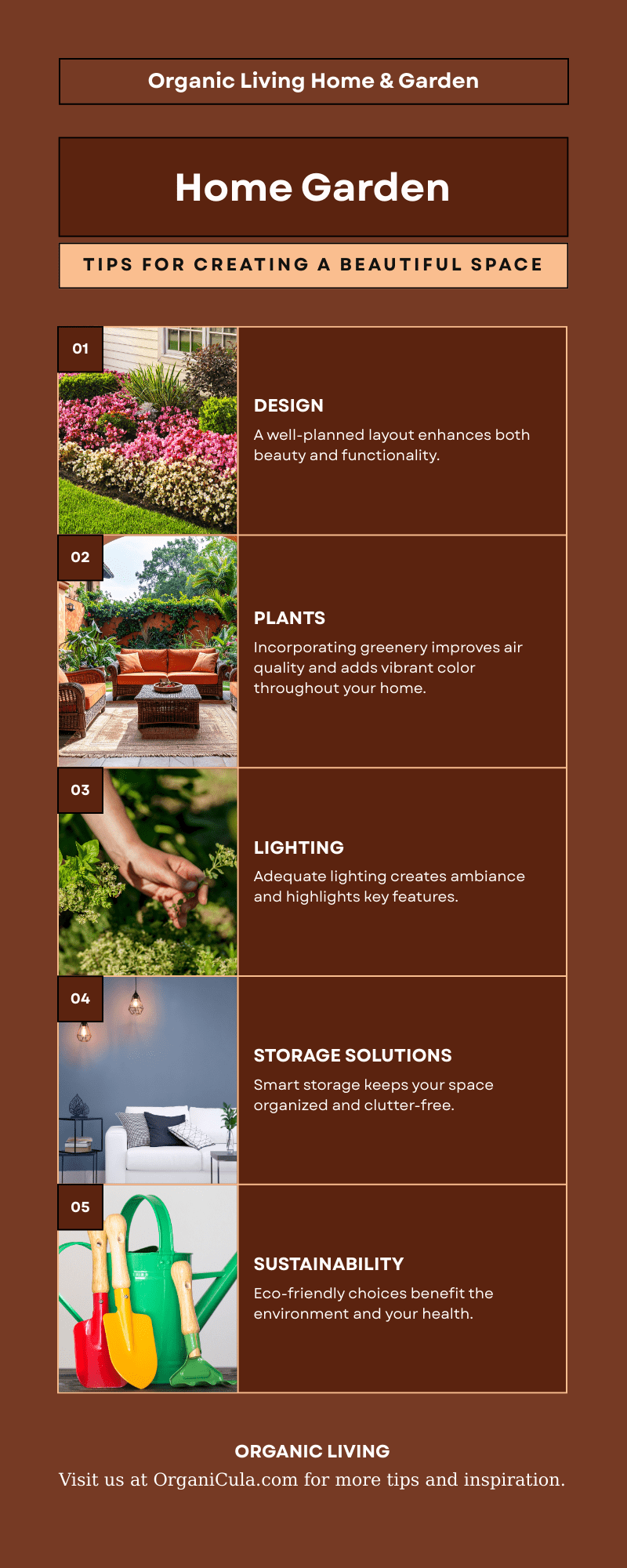
Outdoor “rooms”: Design different functional zones—dining, lounging, gardening, play or meditation—in your yard using pathways, planting beds, and furniture as dividers.
-
Plant-based boundaries: Hedges or rows of shrubs can define “rooms” subtly, offering structure without walls.
-
Vertical and overhead structuring: Pergolas, arbors, or tree canopies define overhead space and create a sense of enclosure and comfort outdoors.
-
Foodscaping for dual purpose: Incorporate edible plants into landscape design for aesthetics and harvest—combining beauty with edible functionality.